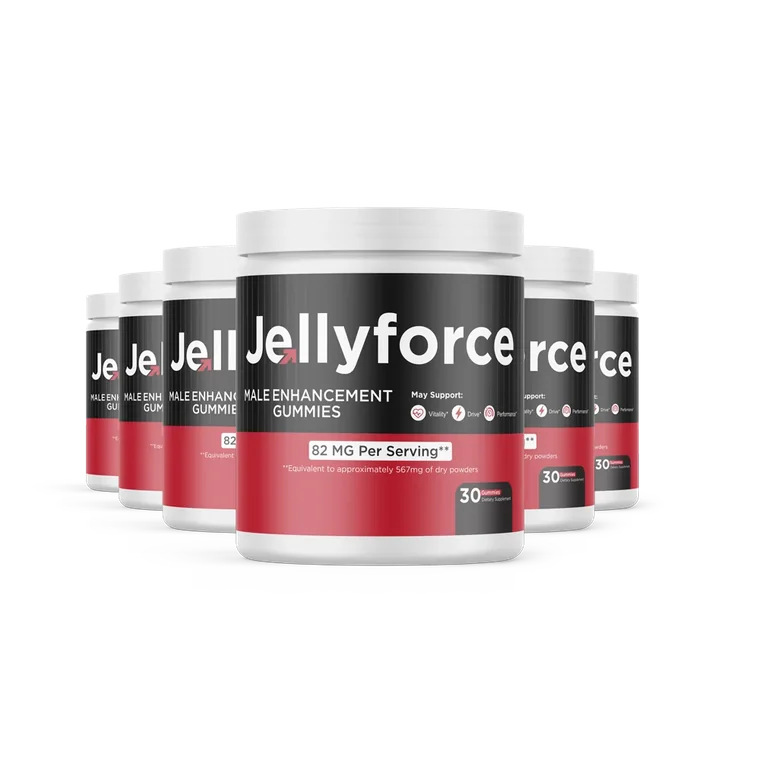
Regular price: $99 per jar
Today from $49 per jar
Order Jellyforce from the official websiteBacked by the 60-day money-back guarantee. Secure checkout on the official website.
Smoking damages the endothelium — the single-cell lining of your blood vessels that produces nitric oxide. That damage reduces nitric oxide availability, impairs vasodilation and accelerates atherosclerotic plaque formation.
This is the same pathway discussed throughout this site in the context of arginine and nitric oxide. Smoking works directly against it, and at a scale no supplement offsets.
Erectile function depends on vascular health, and smoking is a well-established risk factor for erectile dysfunction. The penile arteries are narrow enough to show endothelial dysfunction earlier than the coronary arteries do, which is why ED frequently precedes a cardiovascular diagnosis.
For many men this is a more motivating fact than the long-term cancer statistics, and it happens to be accurate.
The evidence base is younger and less settled. Studies examining vascular function after vaping have reported acute effects on endothelial function, and nicotine itself is a vasoconstrictor regardless of delivery method.
The honest summary: vaping is generally considered less harmful than combustible cigarettes for several outcomes, but “less harmful than smoking” is not the same as “harmless for circulation”. The CDC publishes current guidance as the evidence develops.
Some vascular improvements begin within days to weeks of stopping, with endothelial function measurably improving over months. Cardiovascular risk continues declining over years.
The timeline is genuinely encouraging, which is worth knowing for anyone assuming the damage is already permanent.
A supplement supporting the nitric oxide pathway while you continue smoking is attempting to refill a bucket with a hole in it. If you want better circulation and you smoke, quitting is not one option among several — it is the intervention, and everything else is a rounding error next to it.
Backed by the 60-day money-back guarantee. Secure checkout on the official website.