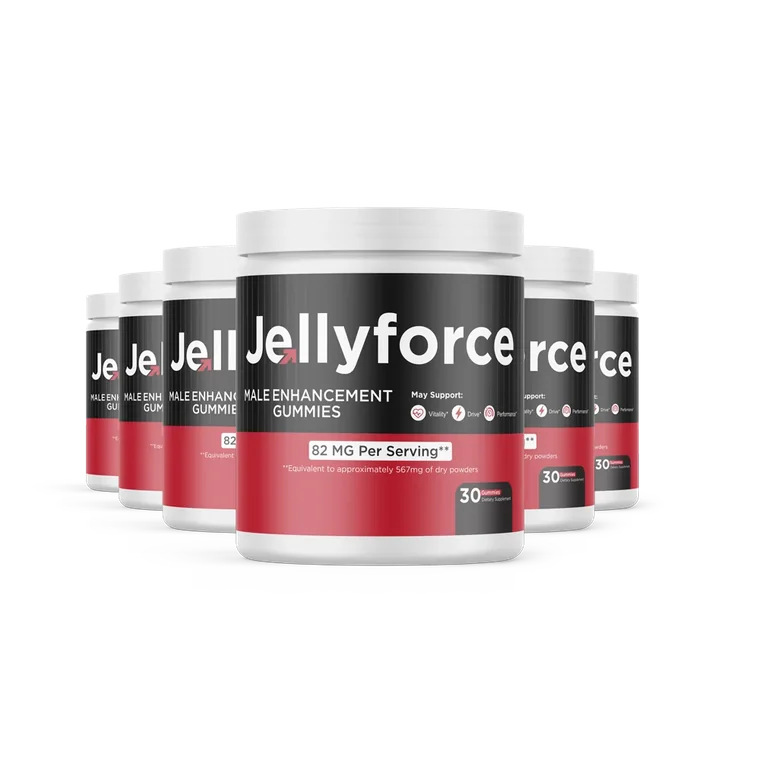
Regular price: $99 per jar
Today from $49 per jar
Order Jellyforce from the official websiteBacked by the 60-day money-back guarantee. Secure checkout on the official website.
Alcohol shortens sleep onset, which is why it feels helpful. It then degrades sleep quality substantially, suppressing REM early in the night and causing fragmentation in the second half as it metabolises.
The net result is more time in bed and less recovery from it. This is the single largest performance cost, and it applies at moderate intakes, not only heavy ones.
Alcohol consumed after training has been shown to blunt muscle protein synthesis, meaning the adaptation you trained for is partially not collected. It also acts as a diuretic, compounding any existing fluid deficit from the session.
The practical implication: a hard session followed by a heavy night is closer to a wasted session than most people assume.
Even without a hangover, sleep degradation alone reduces reaction time, perceived energy and training capacity the following day. Add dehydration and disrupted glucose handling, and the day after moderate drinking is a poor day to attempt anything demanding.
Alcohol has social and psychological value that a physiology article cannot measure. The point is not that nobody should drink; it is that the cost is real, specific and mostly paid through sleep.
If you want to keep drinking and reduce the cost, the highest-leverage adjustments are: earlier in the evening, fewer consecutive nights, and not on the night after your hardest session.
Two things worth knowing. Alcohol affects blood pressure, which is relevant if you take anything supporting vasodilation. And it disrupts the sleep that most botanical formulas depend on for their benefits to be noticeable.
A formula assessed across a period of heavy drinking will look ineffective regardless of its merits, because the confounding variable is larger than the effect being measured.
Backed by the 60-day money-back guarantee. Secure checkout on the official website.