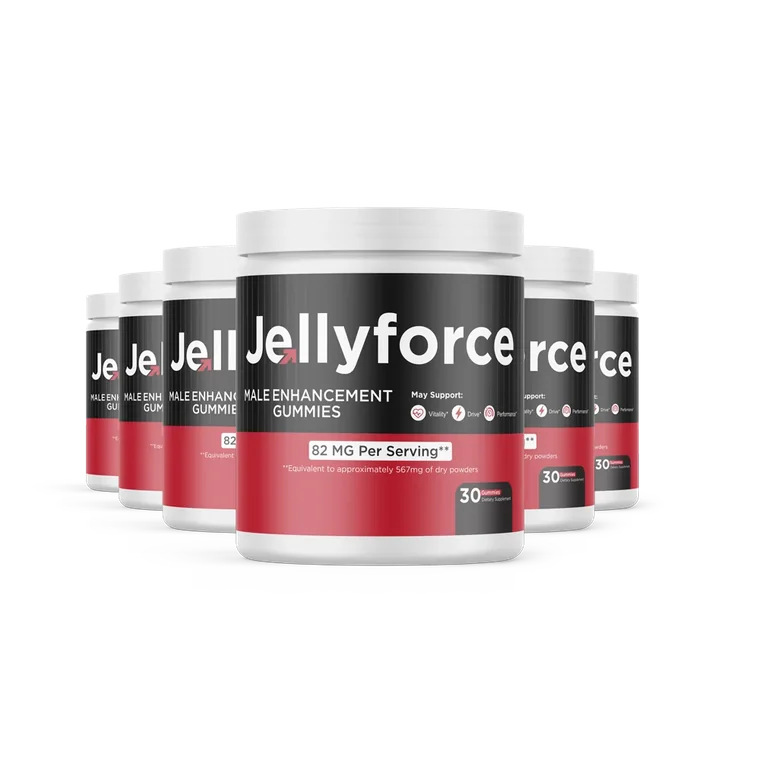
Regular price: $99 per jar
Today from $49 per jar
Order Jellyforce from the official websiteBacked by the 60-day money-back guarantee. Secure checkout on the official website.
Training is the stimulus. The adaptation — stronger tissue, better conditioning — occurs during recovery. A man training hard with inadequate recovery is applying stimulus without collecting the benefit, then concluding he needs more stimulus.
That misunderstanding drives most of the overtraining discussed in our warning signs guide.
Low-intensity movement increases blood flow to recovering tissue without adding meaningful fatigue. Sitting still all day does not. For most people, active recovery beats total rest for how they feel the following day.
The exception is genuine systemic fatigue or illness, where rest is exactly right.
Several popular recovery modalities have weaker evidence than their popularity suggests, and some — notably cold immersion immediately after resistance training — may blunt the adaptation signal you trained for. Timing matters if you use them.
None of this makes them useless. It makes them modifiers, well behind sleep and food in order of importance.
Behind sleep, food and load management. A stress-response supplement may support recovery capacity at the margin. It does not create recovery from a schedule that does not allow any.
Backed by the 60-day money-back guarantee. Secure checkout on the official website.