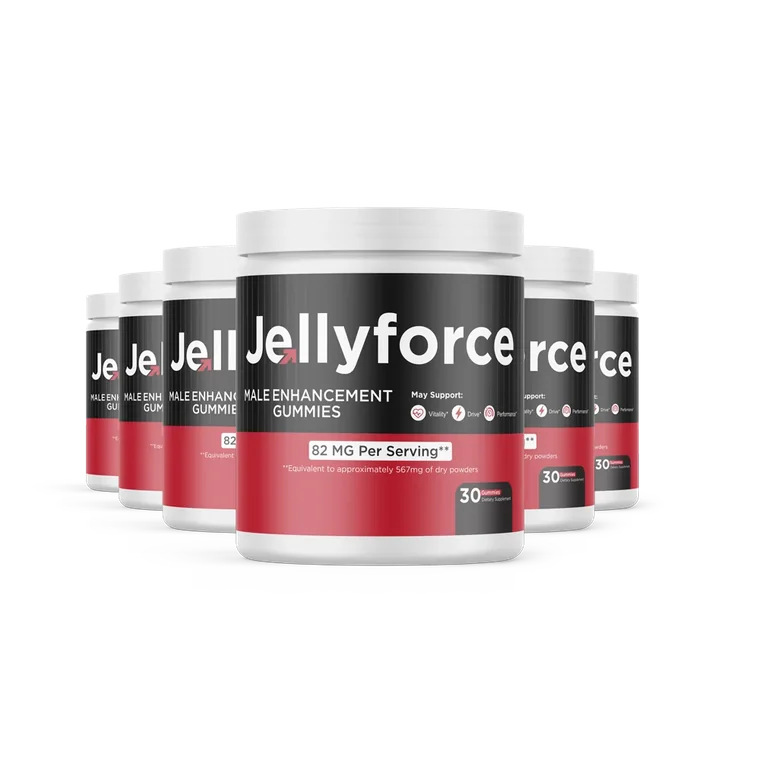
Regular price: $99 per jar
Today from $49 per jar
Order Jellyforce from the official websiteBacked by the 60-day money-back guarantee. Secure checkout on the official website.
There is a real relationship between physical state and how people feel about themselves, and it runs through several plausible routes: better sleep improves mood regulation; regular exercise has well-supported effects on mood and anxiety; visible progress in training produces genuine self-efficacy.
None of that is mystical. Feeling capable in your body affects how you carry yourself, and that is neither trivial nor unmeasurable.
A supplement label saying “supports confidence” is making an indirect claim at best: it supports energy, energy supports activity, activity supports mood, mood supports confidence. Every link in that chain is real and every link is weak.
The phrase persists because it is legally safe and emotionally effective, not because a capsule does anything to self-esteem. Read it as marketing shorthand rather than a mechanism.
Persistent low mood, loss of interest in things you normally enjoy, sleep disturbance lasting weeks, or hopelessness are not confidence issues to be trained away. They are symptoms worth discussing with a doctor, and depression in men frequently presents as irritability and withdrawal rather than as stated sadness.
No supplement addresses that, and framing it as a vitality problem delays the thing that would actually help.
Physical wellbeing supports confidence indirectly and genuinely. A supplement supports physical wellbeing modestly. The implied chain is real but long, and any product presenting it as direct is overselling.
Backed by the 60-day money-back guarantee. Secure checkout on the official website.