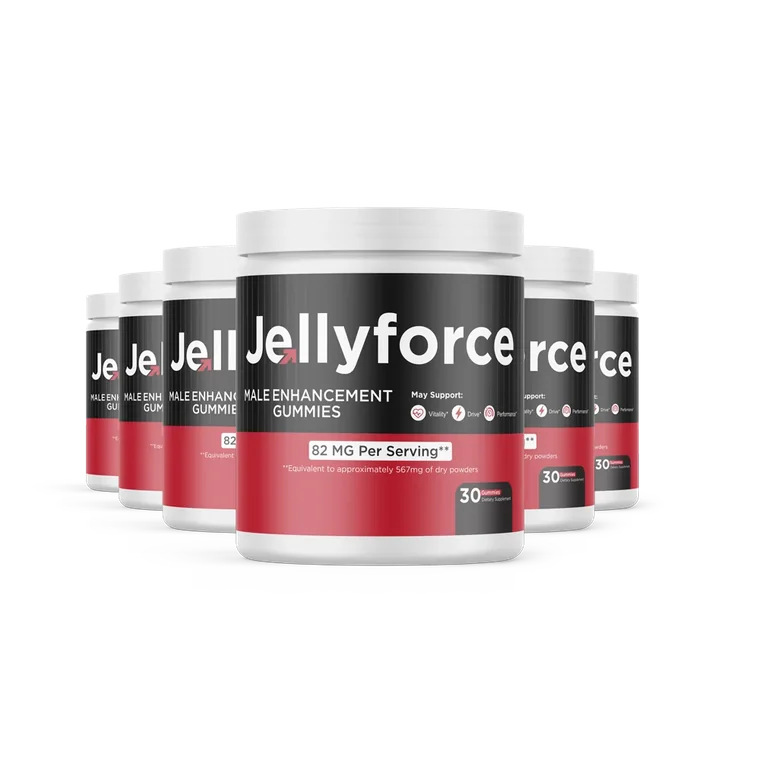
Regular price: $99 per jar
Today from $49 per jar
Order Jellyforce from the official websiteBacked by the 60-day money-back guarantee. Secure checkout on the official website.
Your body makes nitric oxide by two distinct routes. The first is the L-arginine pathway, where the enzyme nitric oxide synthase converts arginine into nitric oxide. The second is the nitrate-nitrite-NO pathway, where dietary nitrate from food is reduced to nitrite by bacteria in your mouth, then to nitric oxide in the body.
That second pathway has an odd practical implication: strong antibacterial mouthwash can blunt it, because it kills the oral bacteria that perform the first conversion step.
Leafy greens are not a token health recommendation here. On a per-serving basis they are among the most reliable dietary contributors to this pathway.
Regular aerobic exercise upregulates nitric oxide synthase activity and improves endothelial function — the health of the vessel lining that produces nitric oxide in the first place. No supplement replicates that. The American Heart Association activity guidance sets out the activity levels associated with cardiovascular benefit.
The mechanism is worth understanding: shear stress from increased blood flow during exercise signals endothelial cells to produce more nitric oxide, and repeated exposure improves their capacity to do so.
Honestly: last, and as a support rather than a substitute. An arginine-containing formula such as Jellyforce feeds the substrate side of the enzymatic pathway. It does not replace training, it does not undo smoking, and it does not fix untreated hypertension.
The sensible order of operations is: stop smoking, train regularly, eat leafy greens, sleep properly, get blood pressure checked — then consider whether a supplement adds anything on top. Any site that reverses that order is selling rather than informing.
Backed by the 60-day money-back guarantee. Secure checkout on the official website.