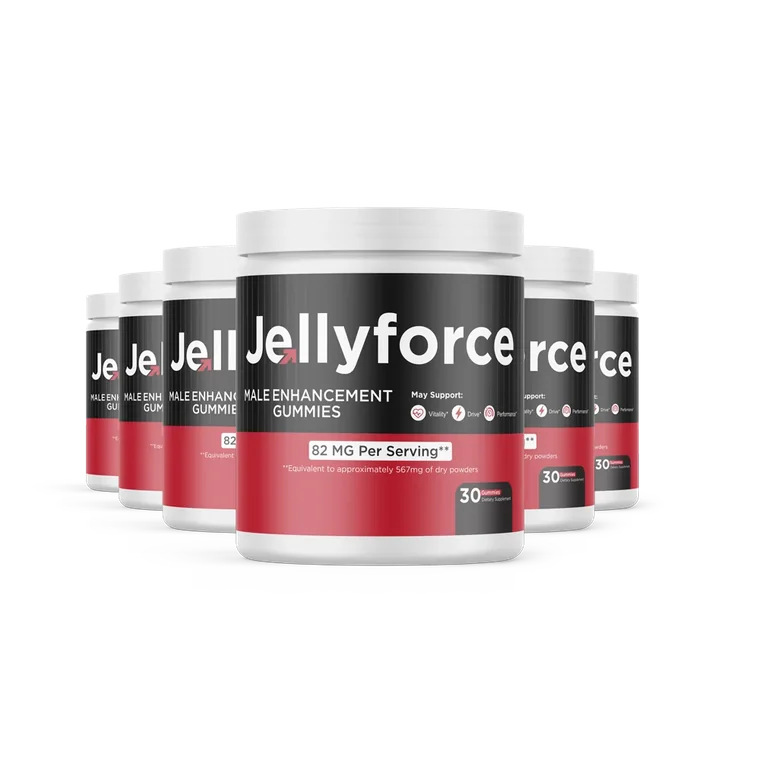
Regular price: $99 per jar
Today from $49 per jar
Order Jellyforce from the official websiteBacked by the 60-day money-back guarantee. Secure checkout on the official website.
Maca (Lepidium meyenii) is a cruciferous root vegetable — botanically closer to a radish or turnip than to a herb — cultivated in the Peruvian Andes at altitudes above 4,000 metres. Few crops survive that environment, which is part of why it became a dietary staple there rather than a rarity.
It has been grown and eaten in the region for centuries, valued specifically for supporting energy and physical endurance under genuinely punishing conditions. That traditional record is real and long, which is more than can be said for many ingredients in this category.
Modern interest centres on maca's glucosinolates and macamides, compound families not widely found elsewhere. Research areas include energy and fatigue measures, endurance markers, and mood.
Being straight about the state of the evidence: studies are generally small, methodologies vary, and results are not consistent enough to call anything settled. Searching PubMed for maca returns a real literature, but not a conclusive one.
In a men's blend, maca typically occupies the stamina and endurance slot rather than the headline position. That is an honest placement. It is included in Jellyforce alongside Catuaba Extract for the same reason: sustained physical output through a day, rather than an acute pre-workout effect.
Maca is a legitimate traditional ingredient with a plausible, incompletely-proven modern case. If a site tells you maca is clinically proven to transform your energy, it is overselling. If a site omits it as worthless, it is underselling several centuries of consistent use at altitude.
The reasonable position sits between the two, and it is where this page stands.
Backed by the 60-day money-back guarantee. Secure checkout on the official website.