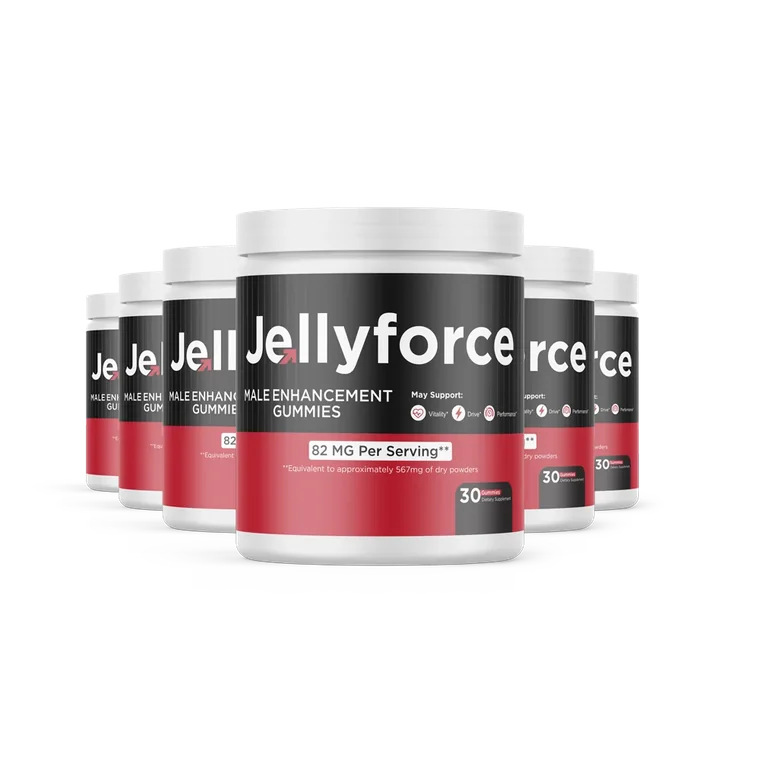
Regular price: $99 per jar
Today from $49 per jar
Order Jellyforce from the official websiteBacked by the 60-day money-back guarantee. Secure checkout on the official website.
Regular walking improves endothelial function — the health of the vessel lining that produces nitric oxide. That is the same pathway discussed in our nitric oxide guide, approached from the largest available lever rather than the smallest.
It also lowers blood pressure over time and improves blood lipid profiles. The American Heart Association activity guidance treats walking as legitimate cardiovascular activity, not a consolation prize.
A ten-minute walk after a meal measurably blunts the post-meal glucose rise. That is directly relevant to the 3pm crash and, over years, to metabolic health generally.
The timing matters more than the pace. A slow walk shortly after eating beats a brisk one three hours later for this specific purpose.
Low-intensity movement increases blood flow without adding meaningful recovery cost, which is why it works as active recovery between training days.
It is also one of the more reliable stress-reduction interventions available, particularly outdoors, and it does not require you to be good at anything.
Consider the comparison honestly. Walking costs nothing, has no side effects, needs no medical clearance, requires no equipment and improves circulation, glucose handling, mood, sleep and body composition simultaneously.
No supplement in any category makes that claim credibly. A site selling supplements should still say so, because a reader who walks daily and takes a supplement will do better than one who only does the latter.
Backed by the 60-day money-back guarantee. Secure checkout on the official website.