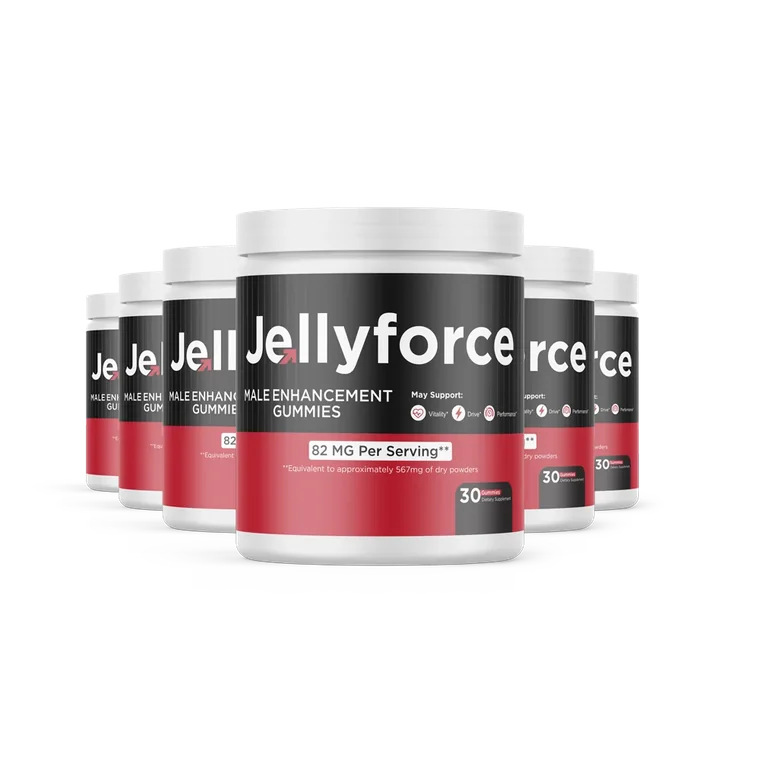
Regular price: $99 per jar
Today from $49 per jar
Order Jellyforce from the official websiteBacked by the 60-day money-back guarantee. Secure checkout on the official website.
A single night of restricted sleep measurably degrades reaction time, decision quality, glucose handling and physical output the following day. Perceived effort in training rises for the same workload.
The insidious part is that self-assessment of impairment degrades alongside performance. People who are underslept consistently rate themselves as functioning better than testing shows.
Sleeping ten hours on Saturday does not cancel five weeknights at six. Some recovery occurs, but the metabolic and cognitive effects of chronic restriction do not fully reverse with weekend catch-up.
Consistency of timing matters nearly as much as duration, because variable sleep timing disrupts circadian regulation independently of total hours.
Obstructive sleep apnoea is common in men over 40 and frequently undiagnosed. It fragments sleep hundreds of times a night without waking you fully, producing exactly the profile of unrefreshing sleep and daytime fatigue that gets blamed on age or stress.
Warning signs: loud snoring, witnessed pauses in breathing, waking with a dry mouth or headache, and daytime sleepiness despite adequate time in bed. This is a medical assessment, not a supplement problem — the Sleep Foundation covers what testing involves.
Behind all of the above. An adaptogen may support the stress side of poor sleep, and that is a real if modest contribution. Nothing in a jar substitutes for seven to eight hours or for treating apnoea.
If you are going to fix one thing this month, fix sleep. Everything else on this site works better afterwards.
Backed by the 60-day money-back guarantee. Secure checkout on the official website.