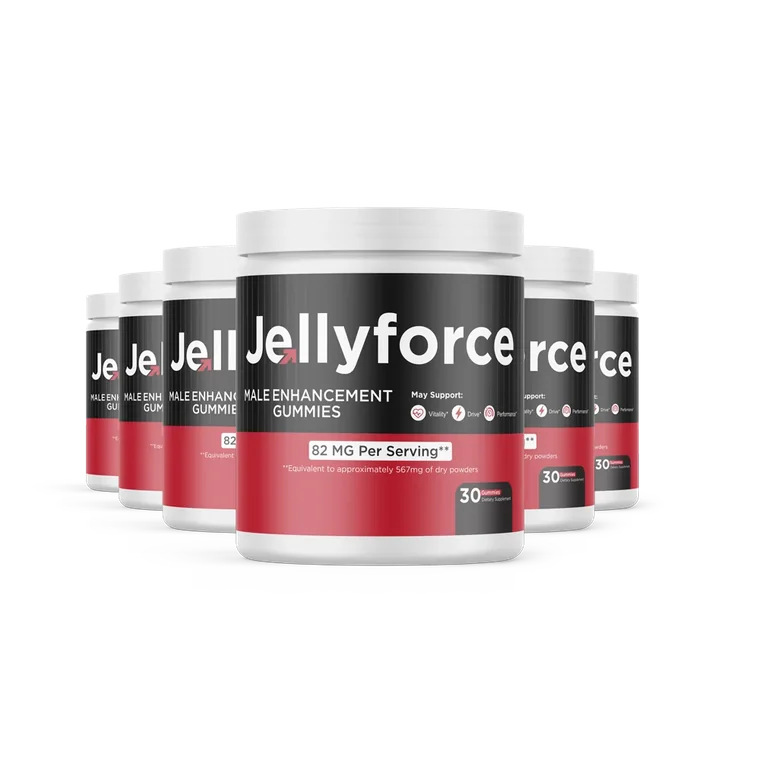
Regular price: $99 per jar
Today from $49 per jar
Order Jellyforce from the official websiteBacked by the 60-day money-back guarantee. Secure checkout on the official website.
Compare per serving, not per jar. Then check servings per container, because 30 versus 60 servings changes cost per day entirely and rarely appears in the headline price.
A large milligram figure on a raw-powder label is not automatically stronger than a smaller concentrated-extract figure. Check for a ratio or a standardisation percentage. Full method in our label-reading guide.
Individually named amounts let you assess each ingredient. A single proprietary-blend total does not. This is often the fastest differentiator between two otherwise similar-looking products.
Look up each ingredient individually against a neutral source such as the NCCIH Herbs at a Glance rather than the product page. Sort them mentally into three buckets: randomised human trials, early or preclinical research, and traditional use only.
Almost every formula in this category contains a mixture. A product that tells you which is which — as our ingredients page does — is being unusually straight with you.
Scan the sales page for disease claims: treats, cures, prevents, reverses. A supplement making those claims is operating outside the rules, which tells you something about the operator's standards generally.
Total price divided by days of supply. This is the only price figure worth comparing across products, and it frequently reverses the ranking you get from sticker price.
Run the seven steps on both products and write the answers in two columns. The winner is usually obvious once the numbers are normalised, and it is frequently not the one with the louder marketing.
Backed by the 60-day money-back guarantee. Secure checkout on the official website.